Blog / Rochester Mazda Service

Blog

All Rochester Mazda Service Rochester Mazda Dealer Activities in Rochester MN Rochester Used Cars Rochester, MN 2026 CX-5 2026 Mazda CX-50 2026 Mazda CX-50 Lineup Mazda CX-30
Tire Tread

Time for New Tires? Visit Your Rochester Mazda Dealer Today

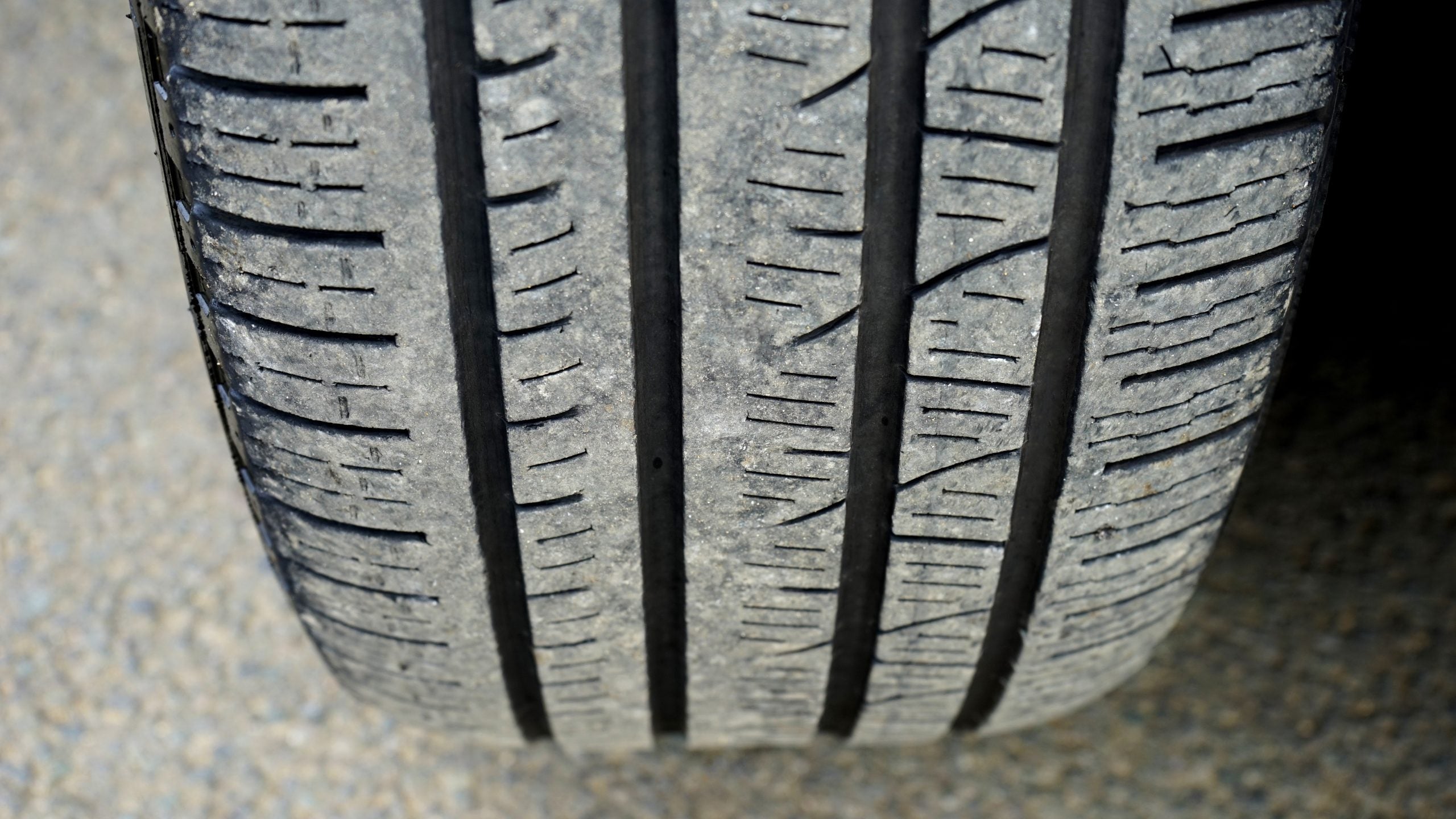
Tires are one part of your Mazda that should never be neglected. Worn down or damaged tires can reduce your vehicle's handling, performance, and mileage at best. At worst, they can cause skids or blowouts on the road. Let's take a look at 4 indicators that you should pop into your local Mazda dealer for a set of new tires. more Time for New Tires? Visit Your Rochester Mazda Dealer Today Dangerous Tread Depth By law, the tread depth of your tires should never fall below 2/32 of an inch. But it's not a good idea to let any one of your tires wear down this much. This is especially true if you're driving during winter upon icy roads when a minimum tread depth of 5/32 of an inch is the recommended rule. You can measure your tread depth with a tread depth gauge, which you'll find at most auto parts stores. Alternatively, you can use the penny test. Simply place a penny into the shallowest part of your tire, with the top of Lincoln's head closest to the rubber. If you can see all of Lincoln's head on the copper above the tread lug, then your tread depth is too shallow. It's worn down to 2/32 of an inch, and it's time for a new one. Uneven Tread Depth If your tires are wearing down in an uneven manner, it will reduce the handling of your vehicle, which can eventually become dangerous. If the uneven wear is still quite mild and caused by extra weight in the front or rear of your vehicle, then straight-forward tire rotation might sort out the problem. But if the unevenness has become quite extensive and noticeable, then it might be time for a new set of tires. When you take your car in, you should also ask your technician to identify what's causing the problem. The uneven wearing could be due to under-inflation in some tires, faulty suspension, misaligned wheels, or something else altogether. Visible Under-Fabric All tires take a beating over time, and it's natural to accumulate a few cuts, cracks, and blisters in the rubber. But only the very mildest of such damage can safely be ignored. If a cut or crack is long or deep, then the structural integrity of the tire is at threat and you need to get it replaced. If a cut or crack is so deep that you can see the under-fabric beneath the tire, then that tire is definitely no longer safe to use. Inexplicable Air Loss Another surefire sign that a tire needs replacing is if you notice consistent air loss. All drivers should regularly check their tire pressure, as even just one under-inflated or overinflated tire can lead to trouble. If you see that one or more of your tires are deflating at an inexplicable rate, then have a professional take a look. Unless you live in very cold weather, where the air inside tires tends to diminish quite rapidly, it's probable that you have a hidden micro-puncture somewhere. If you live in Minnesota, head down to Rochester Mazda, where we'll examine, rotate, or replace your tires promptly, affordably, with top-notch customer care.

First Aid kit and safety equipment

5 Items Every Driver Should Include in a Car First Aid Kit

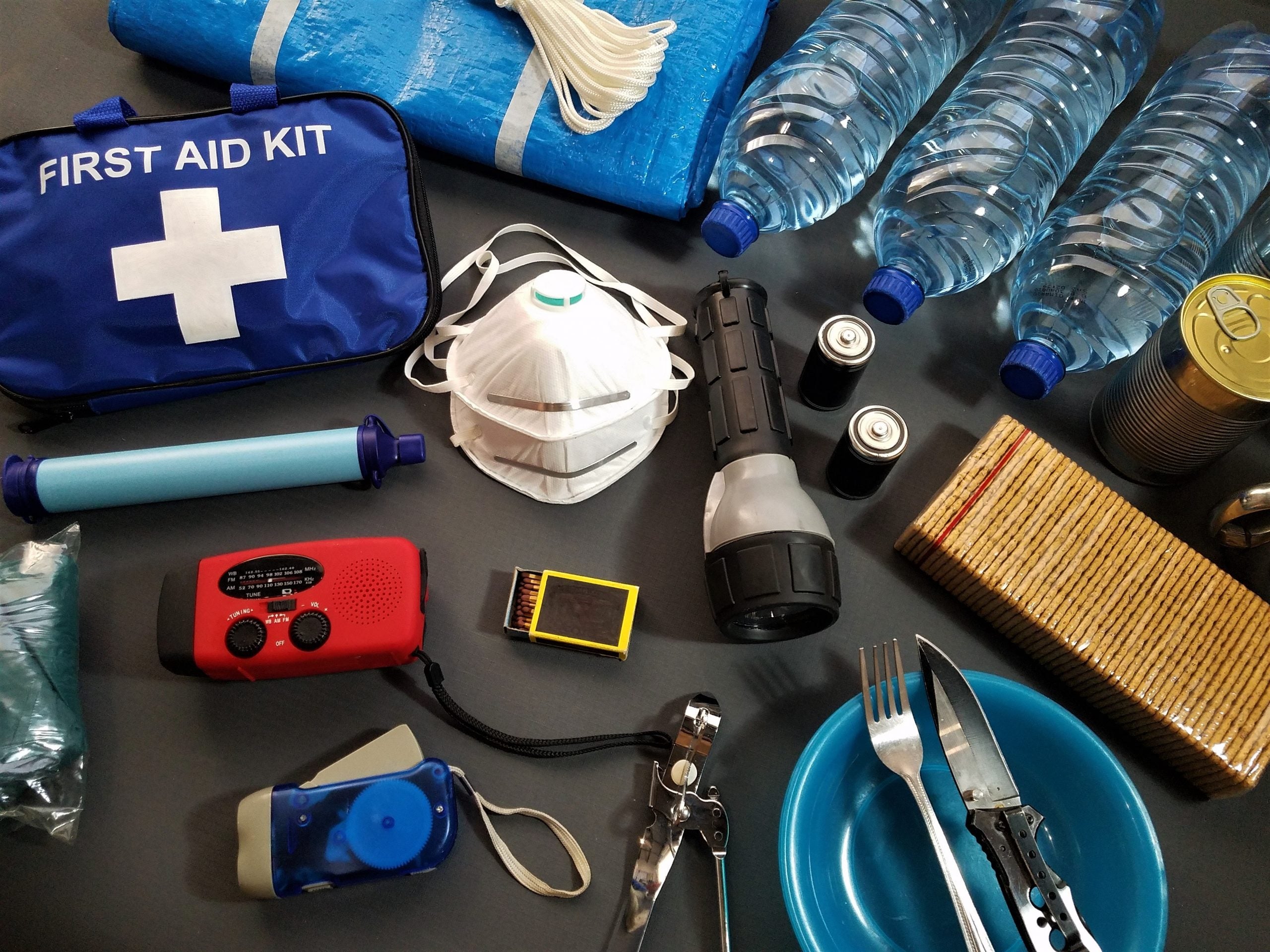
Any Mazda dealer who knows what they are talking about will advise drivers to include a first aid kit with their vehicle. These kits can hold essential emergency medications and topicals to allow you to get relief so that you can continue driving safely when allergies or other circumstances strike. Read on to learn about the 5 things every driver should include in a car first aid kit. more 5 Items Every Driver Should Include in a Car First Aid Kit 1. Over-The-Counter Pain Relief Pains like cramps, headaches, or other bodily discomforts can occur at any time on the road. Pain relief medications provide internal relief for inflammation and pain. Creams, sprays, and gels, on the other hand, instantly soothe external injuries or rashes to provide fast or instant relief. It is important to stock items like both of these in any essential car first-aid package. 2. Allergy Response Medications Seasonal allergies can cause traditional symptoms like puffy eyes and blurred vision, but these symptoms can become dangerous on the road. Blurred vision can make a driver unable to safely operate the car. Carrying allergy medications in a first aid kit can help avoid this. Along with seasonal allergies, anyone with severe food allergies or otherwise will want to keep an epi-pen with their stash of safety supplies in the car. 3. Topical Gels and Creams Topical gels and creams are the perfect supply to stock in a car first-aid package due to their easy application, instant relief, wide availability and usage, and versatility. Whether a driver or passenger is stricken with a rash, burn, bite, sting, or even sunburn, a topical cream can help. These are the perfect stave-over to help reduce discomfort in the form of itching, burning, or pain until the person can see a doctor. 4. Tools for Dexterity, Cleanliness, and Visibility Certain injuries like splinters or broken glass can require the use of tweezers. Tweezers can also help to clean any injury site. For this reason, most first aid kits include rubber gloves and tweezers to help clean any injury, along with wipes, gauze, or cotton balls. Flashlights and magnifying glasses improve visibility so that users can diagnose, examine, clean, and treat injuries more easily. 5. Sanitizers and Antiseptic One of the best ways a first aid kit in the car can serve car owners is that immediate first aid can prevent future infection. Include sanitizers in the kit so that hands can be clean before administering topicals or otherwise, even when you are on the road with no access to a sink. Then be sure to stash antiseptics so that users can clean wounds before bandaging and prevent bacterial infection. 6. Mazda Dealer and Manufacturer Information Keep all paperwork on hand with your kit to ensure that in cases of emergency, you know who to call for questions about or service to your vehicle. While this can't help with injuries, it can keep you safe on the road. Staying comfortable and safe on the road can be simple when drivers prepare themselves properly. A vehicle first aid kit can provide instant relief for pain, itching, allergic reactions, and can even help prevent infection for small injuries like cuts and burns. Build the ideal vehicle first-aid package today to ensure that you're never left unprepared. Contact Rochester Mazda today to learn more about what essentials to include in your first-aid package.

Hand on Steering Wheel

Does Your Mazda Need a New Car Air Filter?

For combustion to take place, and your car to move, the mix of fuel and air in the combustion chamber must be correct. The ratio is 1:10,000 of fuel to air, and if this ratio is not correct your car will not operate efficiently. All of the air that enters your engine comes through the car air filter, so the filter must be replaced when necessary. In Rochester, MN we can help you when you need a new filter installed. more Do You Need a New Car Air Filter From Your Mazda Dealer in Rochester? When you put your foot on the gas, your car should respond almost instantly, If there is a delay, it can be due to a worn air filter. The air filter filters the air your engine needs, but if it is clogged with dirt the airflow will be restricted. A lack of air causes a reduction in the air-fuel mix, and this results in inefficient combustion since the excess fuel is wasted. Your engine will not only waste fuel, but the damage done to the spark plugs by inefficient burning will reduce your car's power too. When we replace the air filter, you will immediately notice an increase in your car's acceleration. Reduced Engine Performance Some of the unburnt fuel from a low air-fuel mix forms a sooty residue on the spark plugs. This residue affects the spark plug's ability to spark, and this can result in engine misfires when you try and start your car. You will also experience rough idling as the damaged spark plugs have increased difficulty in properly combusting the fuel. Our technicians will replace the damaged spark plugs when we replace your air filter, and this should correct the problem. Check Engine Light Goes On The check engine light goes on when sensors in your engine detect problems. If your air filter is the problem, the inefficient burning of fuel causes a build-up of carbon deposits in your engine and this triggers the warning light. Dirty Air Filter A dirty air filter is easy to check by its color. A new air filter is white or cream, but as it filters dirt and debris it starts to change color. If you examine your filter and it is brown or black, it's definitely time to change the filter. We will change the filter, and also check for signs of damage to the spark plugs and other components, and we can replace them too if needed. Your Mazda's engine provides you with excellent performance, but it can only work at its best if it is correctly maintained. If you find that your car is showing signs of an air filter problem, call our service department right away at Rochester Mazda. Our Mazda-trained technicians are experts at finding and repairing any possible issue with your vehicle. They will examine your car and they can replace the damaged air filter quickly and easily. We always have a stock of genuine OEM filters available.

Steering Wheel

7 Car Safety Features You'll Find in Today's Mazda Vehicles

Today's Mazda vehicles have over a dozen car safety features to make all your journeys more secure. Some are subtle features you'll barely notice, and others have several functions that will make your life easier when you get behind the wheel. We're going to go over some of the top features you'll find in today's vehicles at your local Mazda dealer. more 7 Car Safety Features You'll Find in Today's Mazda Vehicles From Your Mazda Dealer 1. Radar Cruise Control With Radar Cruise Control, staying safe in your vehicle becomes simple. Set your desired speed, then select the distance you want between you and the car in front of you. The cruise control feature will kick in and work its magic. It'll keep you as close to your desired speed as possible, but it'll slow you down and speed you up based on the actions of the car ahead. It'll also make sure to adhere to the distance you set, so you'll have wonderful peace of mind. 2. Adaptive Front Lighting System Your headlights are no longer just big bulbs that illuminate the road directly ahead of you. The AFS in modern Mazda vehicles provides superior nighttime visibility, and it moves the direction of the light by 15 degrees when you're turning a corner, ensuring road visibility throughout. 3. Smart Brake Support If you're driving above 10 miles per hour, then SBS can kick into gear in the case of a collision. It helps reduce the impact of a collision when one occurs. However, it also helps you avoid collisions by alerting you to hit the brakes when a collision is likely to occur. 4. Rear Cross Traffic Alert It can be tricky to get out of a parking spot, as vehicles can come from the left or right directly behind your vehicle. However, this safety feature will let you know if there's a vehicle approaching from the side at the back of your vehicle. This makes it easier and safer to reverse out of a parking spot, and it can also help you determine when something is in your blind spot while you're reversing. 5. Lane Departure Warning Sometimes the weather, tiredness, or distractions will make you drift towards the edge of your lane unintentionally. Lane departure warning will let you know when this is happening, so you can drive back into the center of your lane without worrying. 6. High Beam Control System This system lets your vehicle detect whether or not you need your high or low beams when you switch on the headlights. This is fantastic for nighttime driving, as it can sometimes be difficult to know which you should pick. You'll keep yourself and other motorists safe if you choose a vehicle with this system. 7. Obstruction Warning If there's something ahead of you, then your Mazda's Forward Obstruction Warning feature will tell you that you should brake, turn, or do anything else you need to do to prevent a collision. This feature is like a second pair of eyes looking out for you on the road. If these are the features you want in your next vehicle, then you need to swing by Rochester Mazda to take one of our Mazdas out for a test drive. You won't regret it, and you'll love using the features above.

Tire Tread

4 Benefits of Getting a Tire Rotation

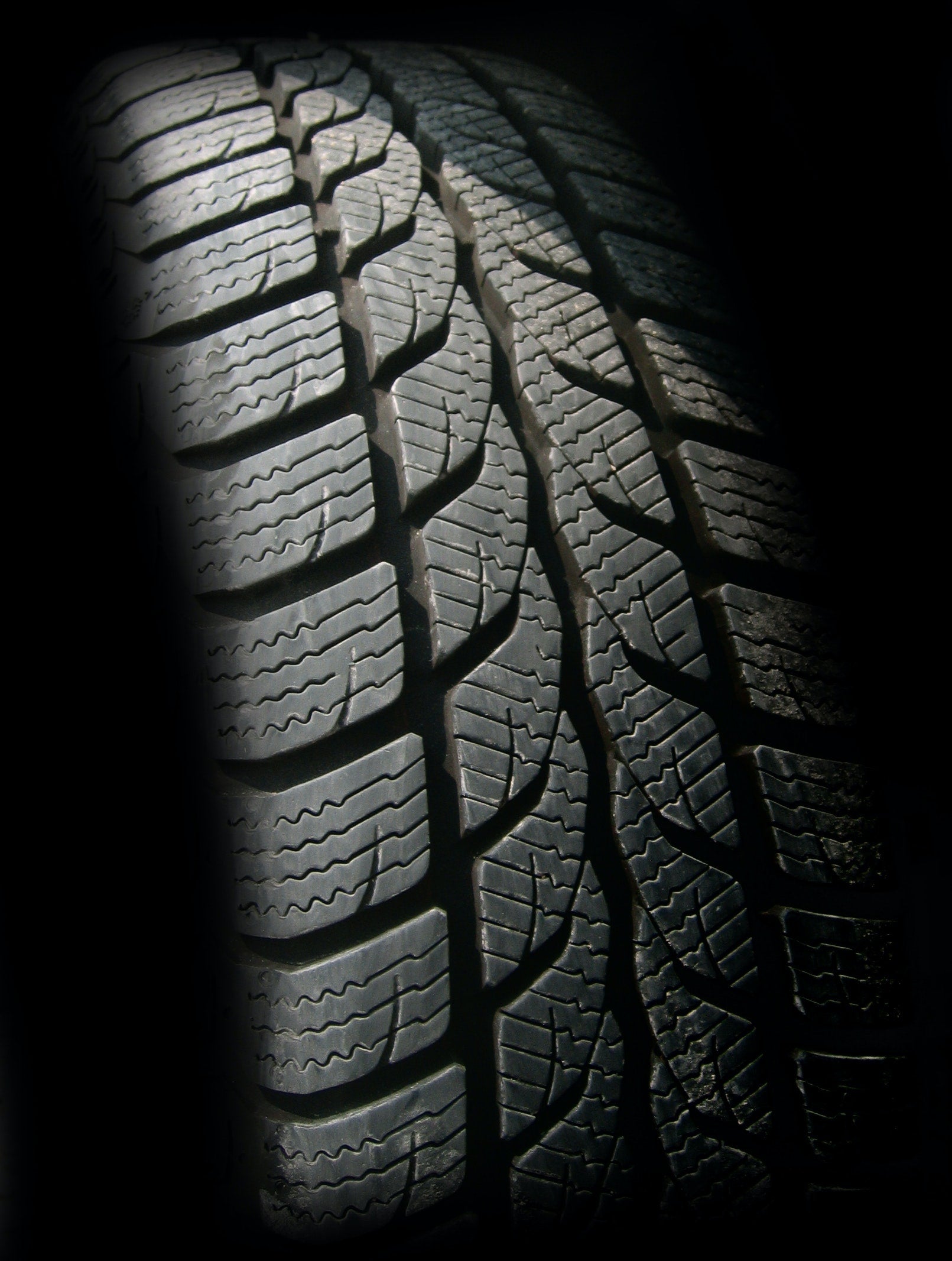
Getting a tire rotation from your local Mazda dealer is a simple fix that can have a huge effect on the lifetime of your tires. As well as saving you a significant amount of money in the long term, getting your tires rotated can have a wide range of benefits for the rest of your car too. In this guide, we'll go through some of the top ways getting your tires rotated can help your car. more 4 Benefits of Getting a Tire Rotation From Your Local Mazda Dealer 1. Improved Tire Lifespan All tires wear out eventually, and after a certain time and distance, you'll often find that your tires need replacing, although premium brands usually last a bit longer than the cheaper alternatives. However, you can extend the life of even the most bargain basement of tires by getting them rotated. This is because getting the different tires on your car wear at different speeds, so the rotation ensures they wear more evenly. However, it's not the only factor that affects tire wear – ensuring that your wheels are properly aligned can also help, as can ensuring that they are inflated to the manufacturer's recommended pressure and that your car isn't overloaded. That said, getting your tires rotated can improve your tire's lifetime by as much as 20%. 2. Better Fuel Consumption Another major benefit of getting your tires rotated is improved fuel consumption. This could mean you won't have to fill up as often, saving you a lot of money on gas. As your tires begin to wear, the car's engine has to work that bit harder to maintain a good grip on the road, which requires it to burn fuel at a faster rate. Rotating your tires spreads the load more evenly, resulting in greater friction and therefore better traction. You'll start to see a smoother ride as soon as you drive away, and with more optimized consumption, you can expect a full tank of gas to last appreciably longer. 3. Better Vehicle Performance The tread of your tires is what gives your tires their grip, and it wears down fastest if the same part of it is in contact with the road surface. By rotating your tires, you are changing the part of the tread, which is in contact with the ground, allowing your engine to get a better grip on the surface. This leads to better handling and more secure cornering on bends, while also dramatically decreasing your stopping distance, making your car much safer. In addition, you'll start to see faster acceleration and more effective grip, especially on very slippery roads and in icy or wet driving conditions. 4. Quieter Ride You'll experience less tire noise too, which can be a godsend if your spending a lot of time in your car commuting to work, or if you have to travel frequently. You'll be able to hear conversations and music much more easily as you enjoy less vibration and bumps. So if you're thinking of getting your tires rotated, and enjoying these amazing benefits, why wait? Simply call us at Rochester Mazda today!

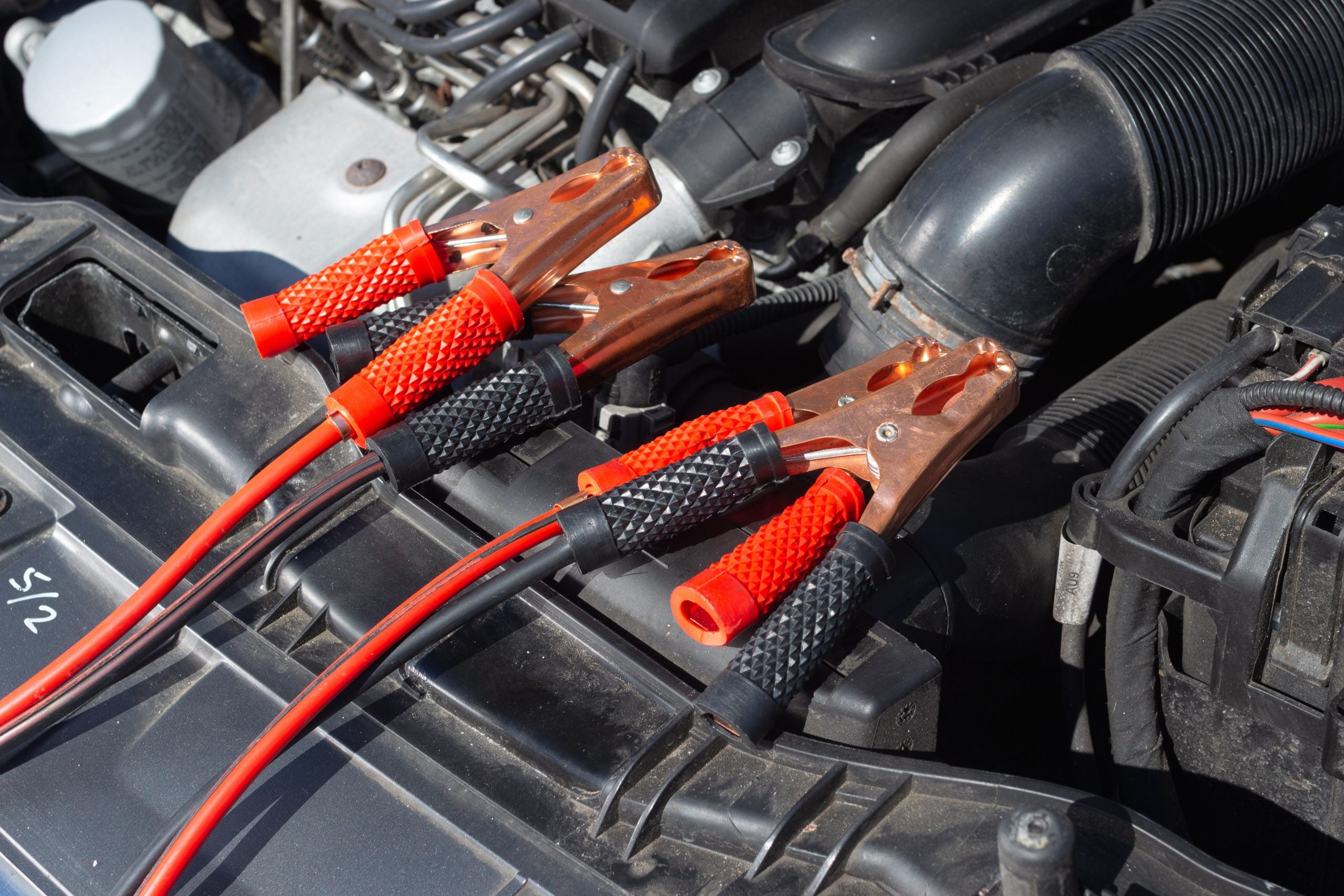
Jumper Cables

How to Jump Start a Car: A Step-by-Step Guide

Wondering how to jump-start a car? It's a simple and quick way to get you back on the road if your battery has failed, and you've ended up stranded. However, it's possible to cause serious damage and injury if not done properly. Luckily, we've put together this quick guide to get you back on the road quickly and safely. more How to Jump-Start a Car: A Step-by-Step Guide Gather Equipment The only important piece of equipment you'll need is a set of jumper cables, which are an essential bit of kit that every driver should have. If you don't have them already, they are a very good investment, as finding somewhere to buy a set when you've broken down could be very difficult, if not impossible. You'll also need a vehicle with a battery and alternator that's working correctly. However, don't attempt to jump-start from an electric or hybrid vehicle, as it could cause damage to the motors and3 batteries. When you've found someone that's happy to help you get back on the road, check your battery carefully. If it's leaking or looks damaged, don't touch it! Batteries produce flammable gasses and contain harmful chemicals, so you'll need to get a professional to replace it. Park Both Vehicles Close Together Most jumper cables aren't super long, so you'll need to position the working vehicle, so the cables can reach from their battery to yours. This will depend on where your batteries are. They're usually either in the trunk or under the bonnet, so make sure the cables reach comfortably. Sometimes, you may be able to position the two vehicles side-by-side, so long as the cables can reach comfortably. Ensure Both Vehicles Are Safe Shut off the ignition in both vehicles, place them in neutral, and engage parking brakes. Connect The Cables Make sure to connect the cables in this order: Carefully attach the red cable to the positive terminal on your battery. It should be red, have POS or a + written on it, or be larger than the negative terminal. Connect it to the positive terminal of the other battery. Then, connect the black cable to the negative terminal on the other battery. Connect the other end to an unpainted metal surface that's not near the battery. The struts that keep the hood open work well for this. Start The Working Vehicle Let the engine run for about 10 minutes, to make sure your battery is charged enough. Attempt to Start Your Car Try and start your car. Hopefully, it'll fire right up. If it doesn't, double-check the cables are connected correctly, and that the connections are strong. Wait another five minutes or so. If your engine still doesn't start, then your battery might be beyond help, and you'll need to call a tow truck. If you find yourself with a dead battery, it's a good idea to get it checked by a professional, otherwise, it could happen again. Take your car into Rochester Mazda today, and one of our factory-trained technicians will be more than happy to take a look.

Mazda Skyactiv

4 Signs Your Mazda Needs a Radiator Repair

Your car's radiator plays a vital role in keeping your engine cool and functioning properly. When your radiator begins to break down or malfunction, your vehicle's performance could suffer. However, identifying the issue and fixing it as soon as possible can ensure that your engine does not suffer the consequences of becoming overheated. Read on to learn four signs that your Mazda needs a radiator repair. more 4 Signs Your Mazda Needs a Radiator Repair 1. Colorful Fluid Leaking from Car One sign that could indicate that your radiator is malfunctioning is coolant leaking from the vehicle. Coolant is typically a bright color, such as green, yellow, or pink. If you notice any brightly colored puddles under your vehicle, you are probably experiencing a coolant leak, which may be resulting from a faulty radiator. If all of the coolant leaks out of your vehicle, your car could overheat, creating more damage and a potentially dangerous situation. Alternatively, if you are currently experiencing cold weather, not having enough coolant could cause your engine to freeze up. Taking your vehicle to the mechanic as soon as possible can help you avoid further damage from your coolant leak. 2. Climbing Temperature Gauge The temperature gauge on your vehicle's dashboard indicates the temperature of the engine. Most often, your gauge will read almost exactly in the middle of hot and cold. However, if your radiator starts acting up, your temperature gauge will begin to climb above the middle, showing that your vehicle is overheating. Any time that you notice your temperature gauge reading a hotter temperature than normal, it's best to take your car to the dealer for an inspection. You may simply need more coolant, but it's also possible that your radiator is malfunctioning. 3. Rusty Radiator Your radiator is made out of metal, meaning that it can rust if it comes into prolonged contact with moisture. Another way to determine if your radiator is acting up is to check it for signs of rust. If you see any rust on the radiator, this could indicate a leak in the radiator hose, causing the moisture that has produced the rust. Keep in mind that you may not see actual signs of moisture on the radiator. The heat of the engine and radiator will cause the fluid to burn off quickly, leaving rust behind. 4. Vehicle Overheating The last and most obvious sign that something is amiss with your radiator is that your vehicle overheats. One way to tell that your vehicle is overheating is steam pouring out from under the hood. If you ever suspect that your vehicle is overheating, you should turn off the engine and exit the vehicle immediately. Give your car plenty of time to cool down, then get it to the mechanic as quickly as possible to prevent any of your car's essential parts from melting or burning. A malfunctioning radiator is serious, and when you bring your vehicle to our dealer with concerns about a radiator malfunction, we work quickly to repair the problem. Contact Rochester Mazda today to schedule a radiator maintenance appointment with our expert mechanics.

Mazda Headlight

How Can You Tell When Your Mazda Needs a Transmission Repair?

Your Mazda dealer is happy to help with anything your vehicle needs, and this includes a transmission repair when required. However, you should know the signs that you have a faulty transmission first. Knowing the signs of transmission trouble will help you get to the dealer as soon as trouble occurs, and that should help us get to the bottom of your issue as quickly as we can. more Top 3 Signs That You Need a Transmission Repair 1. You're Having Trouble Switching Gears If you're having trouble switching gears, then it's almost always because your transmission is having problems. It's also usually quite a simple fix. You're probably low on transmission fluid, and you should come to us for a top-up. However, you might also have this problem if you've just had your fluid changed. If you have this problem after you had your fluid change, then it's usually a sign that the mechanic uses the wrong transmission fluid for your vehicle. We can right this wrong for you. You should always visit an expert technician for your vehicle's maintenance, as that way, you'll get to avoid mistakes like this. 2. You Have a Fluid Leak There are two ways to tell if you have a fluid leak: a rapidly dropping fluid level and the visible leak under your vehicle. A visible leak in your vehicle is indicated by a puddle of red liquid that smells sweet. However, a rapidly dropping fluid level is more difficult to detect. Generally, you want to be checking your fluid levels every few weeks. You'll get to know how quickly they usually drop, and that will help you notice when one of your fluids is disappearing faster than it usually does. If one of your vehicle's fluid starts disappearing faster than usual, then you may have a leak somewhere. 3. Slipping Gears Slipping gears is always cause for alarm, and it's also an indication that your transmission is in trouble. Get right to the dealership, as you shouldn't drive when your vehicle is having this problem. You'll want a tow truck to take you to get your repair. 3 Reasons to Visit the Mazda Dealer for Your Repair 1. Our Technicians Are Experts Our expert technicians are the most qualified to make repairs to your vehicle. Regular auto repair shops only employ generalists, but we employ the best Mazda experts. 2. We Work Quickly We have lots of technicians who work at our dealership, so we can ensure that somebody is free to work on your vehicle as soon as you come in. You won't have the long wait times that you have with regular auto repair shops. 3. We Have Amenities We understand that you may not have anywhere to go while you wait for your vehicle to be fixed, so you're welcome to enjoy our amenities and wait right here. We have tea, coffee, and a place for you to sit while we work. Come on over to Rochester Mazda to get your transmission fixed right up, or call our service department at 1-866-205-7364.

Mazda Sign

4 Things to Know About Your Mazda Service Schedule

Routine maintenance to keep your car performing at its peak is crucial. The team of factory-trained experts at your Mazda dealership provides you with exceptional maintenance services that you can rely on for complete peace of mind. A regular Mazda service at the factory recommended intervals will ensure that you enjoy every mile behind the wheel. more 4 Things to Know About Your Mazda Service Schedule 1. The Importance of Routine Maintenance The key to optimal vehicle performance is to adhere to your Mazda recommended maintenance schedule and service intervals. Routine maintenance is crucial to ensure that your car continues to be reliable, safe, and fuel-efficient. With a well-maintained vehicle, you will save money on unforeseen and costly repairs and increase your car's resale value. Best of all, you can rest assured that your Mazda will last longer and always get you where you need to go. 2. Mazda Maintenance Schedule Intervals The following maintenance schedule is a general guideline of the services performed during the factory recommended intervals. Mazda has recommended intervals for every model and year, that also depends on the conditions under which you operate your vehicle. Your Mazda owner's manual has all the information you need on the specific maintenance schedule for your car or you can ask one of our factory-trained technicians for advice on the best maintenance service intervals for your specific model and driving conditions. 7,500 Miles or 6 Months Engine oil and filter replacement Locks and hinges lubrication Tire rotation 15,000 Miles or 12 Months Engine oil and filter replacement Disc brakes inspection Locks and hinges lubrication 22,500 Miles or 18 Months Engine oil and filter replacement Locks and hinges lubrication 30,000 Miles or 24 Months Engine oil and filter replacement Fuel lines and hoses inspection Inspect brake lines, hoses, and connections Disc brakes inspection Inspect steering operation and linkages Front and rear suspension inspection Ball joints, wheel bearing axial play inspection Driveshaft dust boots inspection Tighten nuts and bolts Locks and hinges lubrication 37,500 Miles or 30 Months Engine oil and filter replacement Drive belts inspection Air filter replacement Locks and hinges lubrication 37,500 Miles or 36 Months Engine oil and filter replacement Disc brakes inspection Locks and hinges lubrication 52,500 Miles or 42 Months Engine oil and filter replacement Locks and hinges lubrication 60,000 Miles or 48 Months Engine oil and filter replacement Fuel lines and hoses inspection Inspect hoses and tubes for emissions Brake lines, hoses, and connections inspection Disc brake inspection Inspect steering operation and linkages Front and rear suspension inspection Ball joint and wheel bearing axial play inspection Driveshaft dust boots inspection Tighten bolts and nuts Locks and hinges lubrication 75,000 miles or 54 Months Audibly inspect the engine valve clearance and adjust if necessary Spark plugs replacement 3. Special or Severe Driving Conditions If you drive your Mazda under what the factory describes as "severe driving conditions", your vehicle will need extra care to keep it running smoothly. More frequent services will be required to keep your car in tip-top shape. Look in your Mazda owner's manual for information on special or severe driving conditions or you can speak to one of our Mazda-trained technicians to help you with the best maintenance schedule for your vehicle. If you operate your vehicle under the following driving conditions, you will need more extensive maintenance: Frequently driving short distances Driving on dusty or muddy roads Driving on uneven and rough road surfaces Extensive use of your brakes Heavy traffic and extensive idling Extreme hot or cold temperatures Mountain regions Follow the maintenance schedule, and your Mazda will continue to be a pleasure to drive. Contact Rochester Mazda today for a maintenance appointment. Our Mazda technicians will perform expert services and ensure that your car is running smoothly.

Mazda Logo

How Often Should You Visit the Dealer for Mazda Maintenance?

Routine maintenance is crucial to ensure that your vehicle is always in perfect running condition. If you stick to the factory-prescribed Mazda maintenance schedule, your vehicle will also be more reliable, safe on the road, and fuel-efficient. Best of all, it will save you money on unexpected and expensive repairs. more Oil and Filter Changes The oil in your Mazda ensures that the components are well lubricated and running smoothly. Change the oil and filter every 7,500 miles or six months, whichever comes first, for optimal vehicle performance. If you drive your vehicle under special driving conditions, such as on dusty or muddy roads, towing heavy loads, or in heavy traffic, we recommend an oil and filter change every 3,000 miles. Consult your owner's manual or speak to your Mazda technician for the precise oil and filter changes for your specific model and driving conditions. The Flexible Oil Change Monitor Setting Replace the oil when the wrench indicator is on. Replace the air filter and cabin air filter at the same time. The maximum interval is every 10,000 miles or 12 months, whichever comes first. The Fixed Oil Change Monitor Setting Replace the oil and filter every 7,500 miles or six months. Replace the air filter at 30 months and the cabin air filter every two years. Routine Maintenance The following services are general guidelines to assist you with your maintenance schedule if you drive your vehicle under normal driving conditions. Check your owner's manual for the precise intervals for your Mazda model. 7,500 Miles or Six Months Oil and filter change Tire rotation 15,000 Miles or 12 Months Engine oil and filter replacement Brake system inspection Lubricate locks and hinges Tire rotation 22,500 Miles or 18 Months Engine oil and filter replacement Lubricate locks and hinges Cabin air filter replacement Tire rotation 30,000 Miles or 24 Months Engine oil and filter replacement Fuel line and hoses inspection Brake system inspection Steering operation and linkages inspection Front and rear suspension inspection Inspect ball joints Inspect wheel bearing axial play Inspect driveshaft dust boots Tighten bolts and nuts on chassis and body Lubricate locks and hinges Tire rotation 37,500 Miles or 30 Months Oil and filter change Drive belts inspection Air filter replacement Lubricate locks and hinges Tire rotation 45,500 Miles or 36 Months Oil and filter change Brake system inspection Lubricate locks and hinges Exhaust system and heat shields inspection Tire rotation 52,500 Miles or 42 Months Oil and filter change Lubricate locks and hinges Tire rotation 60,000 Miles or 48 Months Oil and filter change Inspect fuel lines and hoses Inspect hoses and tubes for emissions Brake system inspection Steering operation and linkages inspection Front and rear suspension inspection Ball joints inspection Wheel bearing axial play inspection Inspect driveshaft dust boots Tighten bolts and nuts on chassis and body Lubricate locks and hinges Tire rotation 75,000 Miles or 54 Months Oil and filter change Audible inspection of engine valve clearance and adjustment Spark plugs replacement Tire rotation 120,000 Miles or 10 Years The engine coolant must be replaced at 120,000 miles and then every 60,000 miles or five years after that. Routine maintenance, performed by qualified technicians, is the key to keeping your Mazda performing at its best. Visit Rochester Mazda today and our factory-trained technicians will ensure that your vehicle is in excellent running condition.

Mazda Logo

What's Involved in a Transmission Service at Your Rochester Mazda Dealership?

Keeping your Mazda's transmission in good shape is critical to the overall health of your vehicle. A transmission service should be a standard part of your maintenance routine, just like an oil change or brake check. The trusted service department at your Mazda dealership is the best place to go to ensure that the transmission on your Mazda car, truck, or SUV is properly tuned and maintained. more Regular Transmission Service is Key We don't usually think about our vehicle's transmission, but the reality is that this critical mechanism is one of the components that keeps a vehicle running smoothly. The transmission, also sometimes called a “gearbox,” can eventually stop functioning properly if it has been neglected for too long. Without regular inspections, transmission fluid can become contaminated, the filter can get clogged, and over time the small parts within the transmission can begin to stick or wear down. These are issues that can be easily avoided with periodic transmission checkups. The Transmission Checkup Your Mazda's transmission checkup involves a few different steps. First, our technicians flush out the old fluid and replace this with clean transmission fluid that has been specifically selected for your make and model. Next, we clean out the pan, which can accumulate significant build-up over time. Finally, we replace the pan gasket and filter. Our technicians also use this opportunity to check all the small parts within your transmission to make sure everything is in good shape. How Often? For best results, a full tune-up of your Mazda's transmission system should be scheduled every 60,000 miles. We do, however, recommend that you check the level of your transmission fluid more often – ideally, we can do this at your regular 6-month maintenance visit. The Service Experts at your Mazda Dealership It is highly recommended that any service performed on your transmission is done by a Mazda-certified technician. Our service experts know exactly how to deal with the transmission system that is unique to your make and model, and we have the correct factory parts on hand for repairs and replacements. When it comes to transmission fluid, there is a confusing array of brands and types on the market. It's very important to select the appropriate product for your Mazda, or you may experience problems down the road. Our service experts will be sure to select the right type of fluid to keep your transmission running optimally. Warning Signs There are some tell-tale signs that might indicate your transmission is overdue for an inspection. If you notice that the gears are sticking when you try to shift, or that your vehicle is slow to accelerate, a struggling transmission could be to blame. You may also hear some alarming noises coming from the general vicinity of your gearbox. These noises could range from a low rumble to a sharp grinding sound. Needless to say, a strange noise coming from any part of your vehicle needs to be investigated promptly. If it's time for a transmission checkup or any other type of service, call us at Rochester Mazda today!

Does Your Mazda Need a Brake Repair?

There are several signs that indicate that you need a brake repair. When the signs present themselves, then you should take your Mazda to the dealer. We're going to teach you to identify those signs so you'll always be prepared for a brake fault. more You should visit your local dealer to get your brakes repaired. Dealership technicians are experts on the vehicles that the dealership sells. A repair performed by experts will always be better and more thorough than one performed by a general mechanic. Mazda experts know the fine-tuning that it takes to ensure that your Mazda will perform perfectly. Experts are also able to answer more questions about your Mazda, so if you have any concerns or queries, don't hesitate to ask your technician. 4 Signs That You Need a Brake Repair 1. Your Brakes Feel Strange If something feels wrong, then something most likely is wrong. With brakes, the strange feeling is usually a spongy or squishy sensation. Your brake pedal won't have much resistance when used, and it might feel like you're stepping directly onto a sponge. If this occurs, then you should visit your local dealership immediately. Driving with your brakes in this condition can easily get dangerous. Your brakes will become less responsive, and in some cases, they may become entirely unresponsive. This can endanger you and everyone around you, so it's best to get towed in when this occurs. 2. You Smell Something Burning Thankfully, this issue is far less serious than the one outlined above. If you smell something burning in your cabin, then it's most likely your brakes overheating. This occurs after repeated braking in a short period of time, and it doesn't usually cause damage. Pull over, turn off your Mazda, and let the vehicle cool down completely. Make your way to a dealer after your vehicle cools down. You should get your brakes checked, just in case. 3. Steering Wheel Issues If your steering wheel vibrates when you brake, then you probably have an uneven rotor. The situation can be more dangerous sometimes, and your steering wheel will pull to one side rather than vibrate. Sometimes an uneven rotor can make your entire vehicle wobble when you brake, too. If you notice that any of these things are happening, then your next stop should be the dealership. 4. Strange Noises A ticking sound or a high-pitched, metallic shrieking noise are two signs that you need to get your brakes repaired. Sometimes all you'll need is a simple brake pad replacement, but other times the issue is more sinister. Get to the dealership as soon as you can. Do you need your brakes repaired? Visit us at Rochester Mazda. We'll repair your brakes, and we'd love for you to come to us again for your regular maintenance needs. Regular maintenance with us can help you prevent further brake faults, so don't hesitate to call us at 1-866-205-7364.

Contact Us

Fill out this form below and we'll contact you shortly
*Required Fields